Data Center Site & Power

Check access, power path, and delivery risk before equipment arrives.

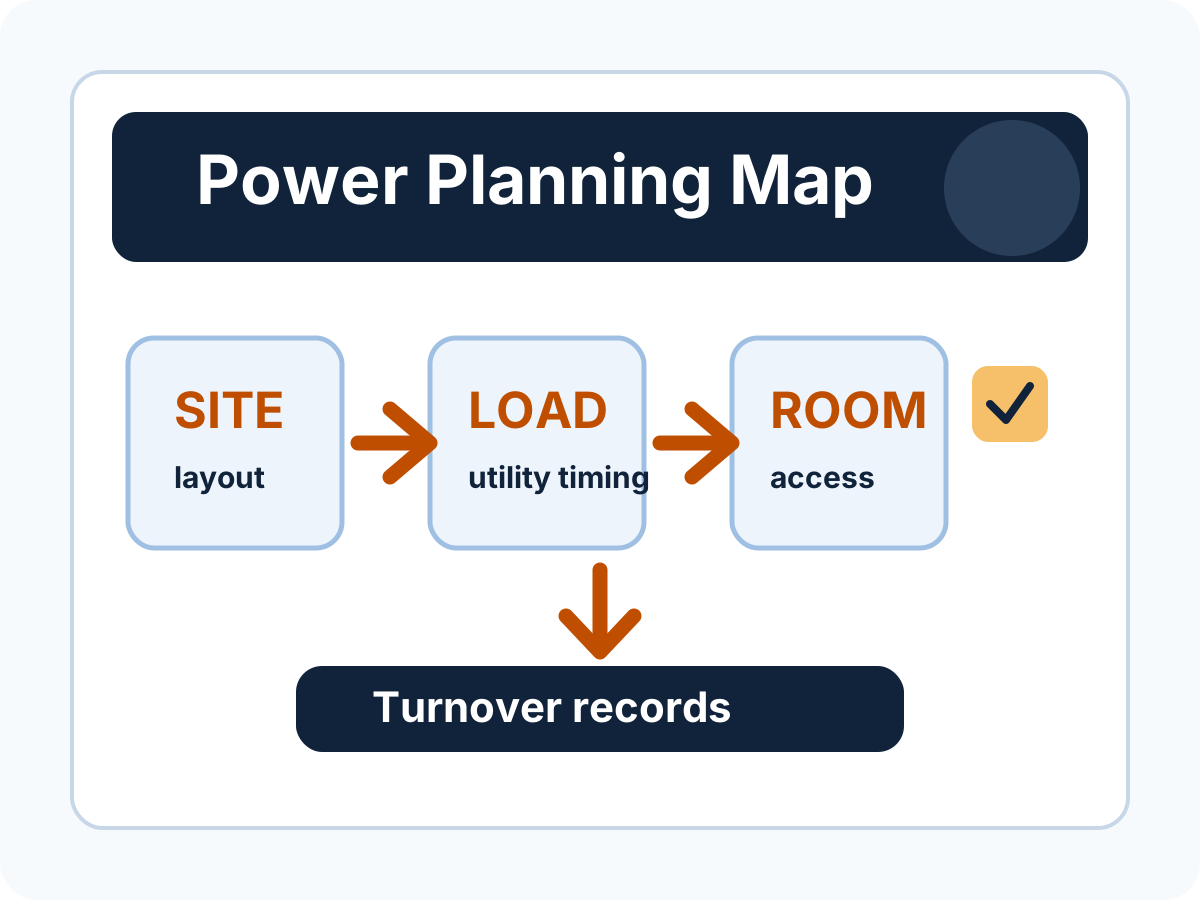
K&K helps owners and project teams turn site photos, utility questions, pad status, delivery windows, and field notes into a practical readiness plan.

Access + staging Power route Pad readiness

If access, power, or delivery timing is uncertain, send the facts before crews are scheduled.

You can start with photos, plan markups, arrival dates, access windows, and the decision deadline.

High-voltage PDU and data center equipment cabling used for power path and access review

Site Readiness

Make field conditions visible before major commitments.

01 Access & staging

Roads, turns, laydown, service paths.

02 Utility path

Power questions, trenching, equipment route.

03 Pads & openings

Plan details that must match field work.

04 Delivery windows

Arrival timing, unloading support, POD records.

05 Field records

Photos, notes, closeout, owner handoff.

Where K&K Helps

Start with the site details that can slow work in the field.

The useful review is practical: what can enter, where power or utilities move, what needs a pad or opening, and which records must stay attached to the decision.

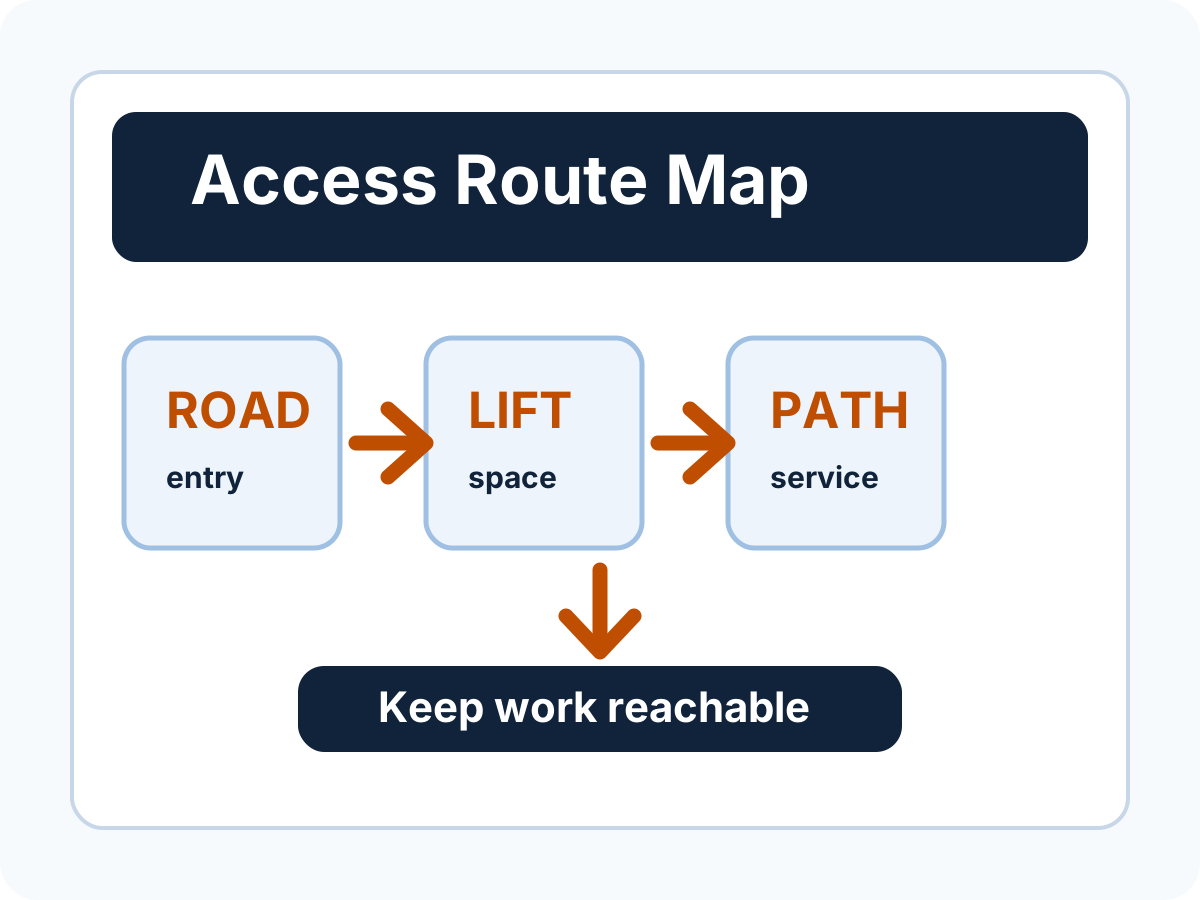
Access route map showing entry, lift space, service paths, and reachable work areas

Access

Can trucks, lifts, and service teams reach the work?

Road width, turns, gates, grade, laydown, temporary storage, and service paths shape the work before equipment arrives.
Power coordination map showing utility path, pad location, gear arrival, field verification, and record handoff

Power Path

Which utility route, pad, or opening changes the plan?

K&K keeps utility questions, pad readiness, and field dimensions visible so teams are not guessing from stale drawings.

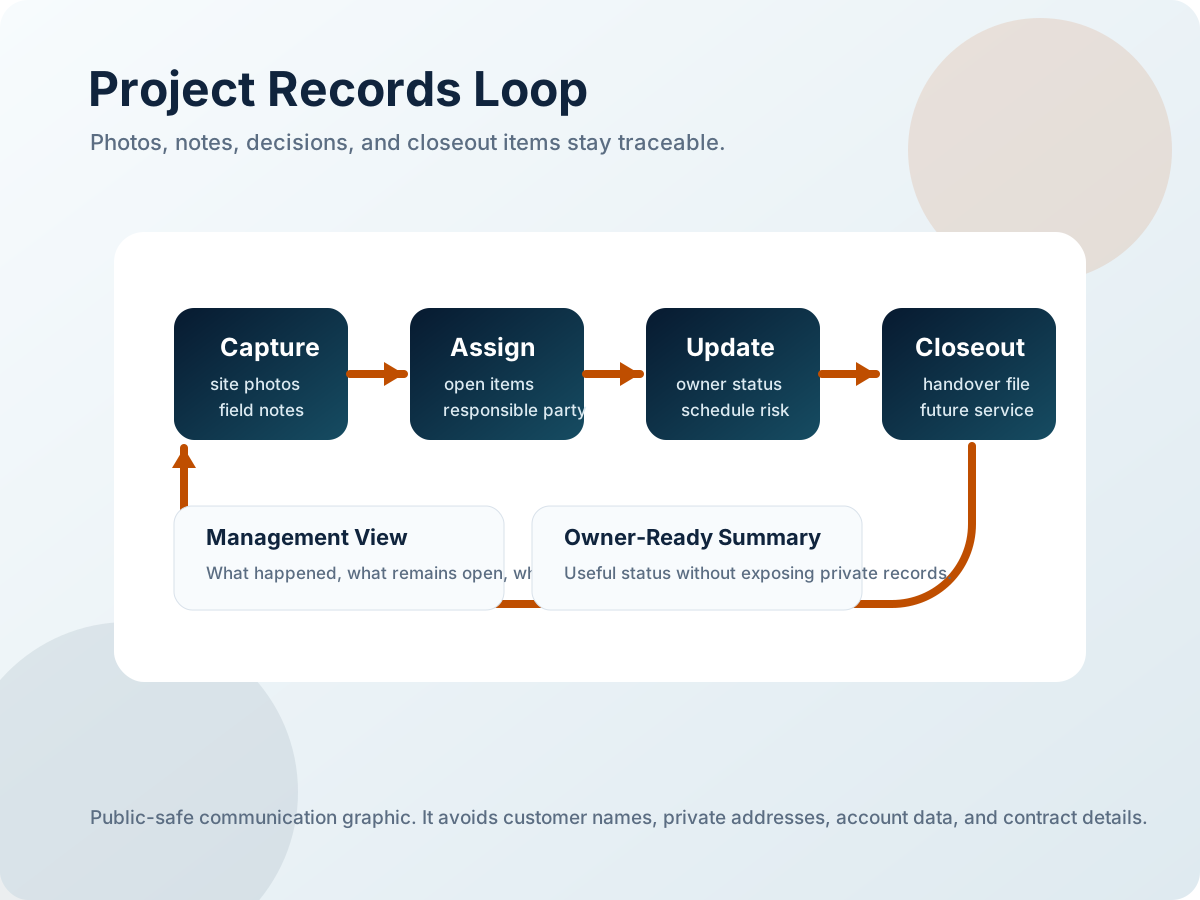
Project record loop connecting photos, site notes, open questions, and owner handoff

Records

What needs to be documented before the crew leaves?

Photos, delivery records, repair notes, parts status, and owner-ready handoff records keep decisions traceable.

Project Evidence

Use real site facts, not generic data center promises.

Vector evidence from project records points to the same recurring issues: access gates, delivery timing, concrete or equipment pads, utility openings, and written records.

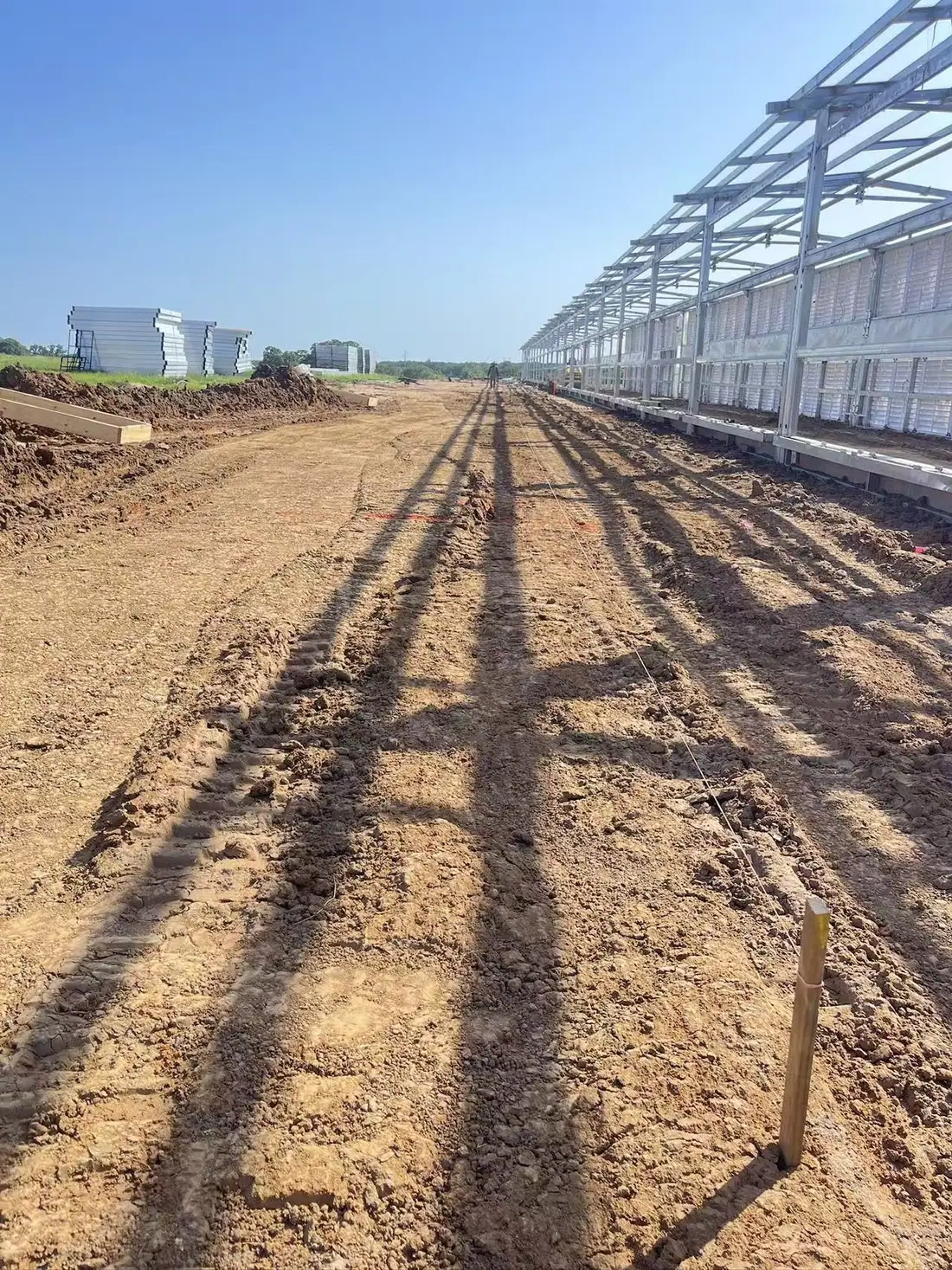
Data center site corridor used to review access, civil work, and equipment movement

Access and laydown

Field review should show how equipment reaches pads, where materials wait, and which routes remain open.

Transformer work area used to review equipment placement and field readiness

Equipment placement

Pad status, openings, gear location, and field dimensions need to match the work plan.
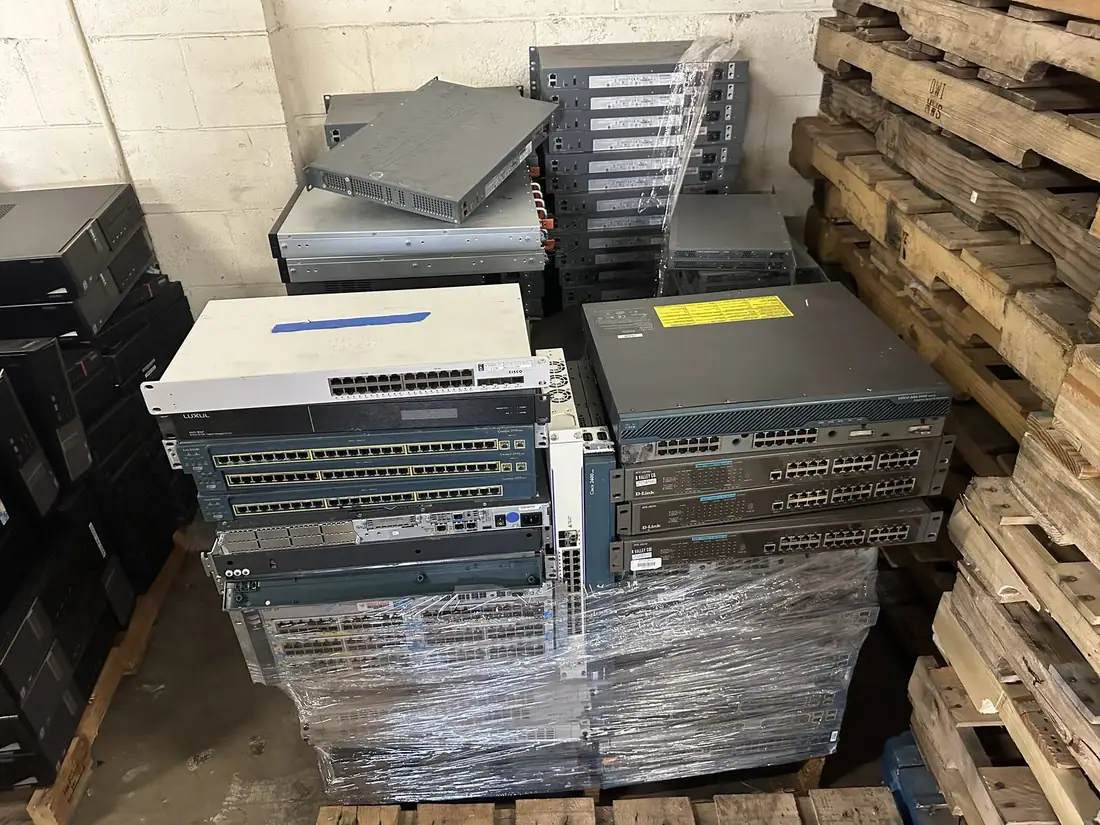
Palletized electrical equipment used to review delivery, storage, and handoff records

Delivery records

Arrival windows, unloading support, POD, invoice routing, and storage notes keep logistics from becoming guesswork.

What To Send

Give K&K the facts that change the field plan.

A short inquiry is enough when it carries the right facts. Sensitive contracts, exact private locations, and commercial terms can be coordinated directly with the team later.

  • Project location or nearest city/county, plus current project stage.
  • Site photos, layout markups, access notes, and known utility questions.
  • Pad status, trenching or opening questions, equipment arrival dates, and delivery windows.
  • Who needs the answer: owner, utility, contractor, facility manager, or internal team.

Evidence Basis

What the vector records support

  • Concrete pad work needed site photos and exact opening information.
  • Steel structure delivery required scheduled arrival windows and unloading coordination.
  • Site access readiness included insurance and documentation gates before work started.
  • Public copy should avoid unqualified cost or schedule promises.

Review Output

What a useful site review should clarify.

The answer should separate visible facts, open questions, field risks, and the owner or contractor action needed before money or equipment is committed.

01. Visible

Facts already shown by photos, drawings, or records.

Access route, available laydown, current pad status, existing equipment, and obvious service constraints.

02. Need Proof

Items that require owner, utility, or field confirmation.

Power availability, utility route, trenching, opening dimensions, insurance gates, and scheduled delivery commitments.

03. Field Risk

Conditions that may affect timing or cost.

Soft routes, tight turns, missing laydown, unclear pad readiness, restricted service paths, or uncertain handoff records.

04. Written Path

What belongs in the written scope.

Site work assumptions, delivery support, documentation duties, exclusions, and responsible parties.

Data Center Inquiry

Send the site facts before the field plan gets expensive.

K&K will review the project type, location, current stage, photos or drawings, and the decision that needs a practical answer.