
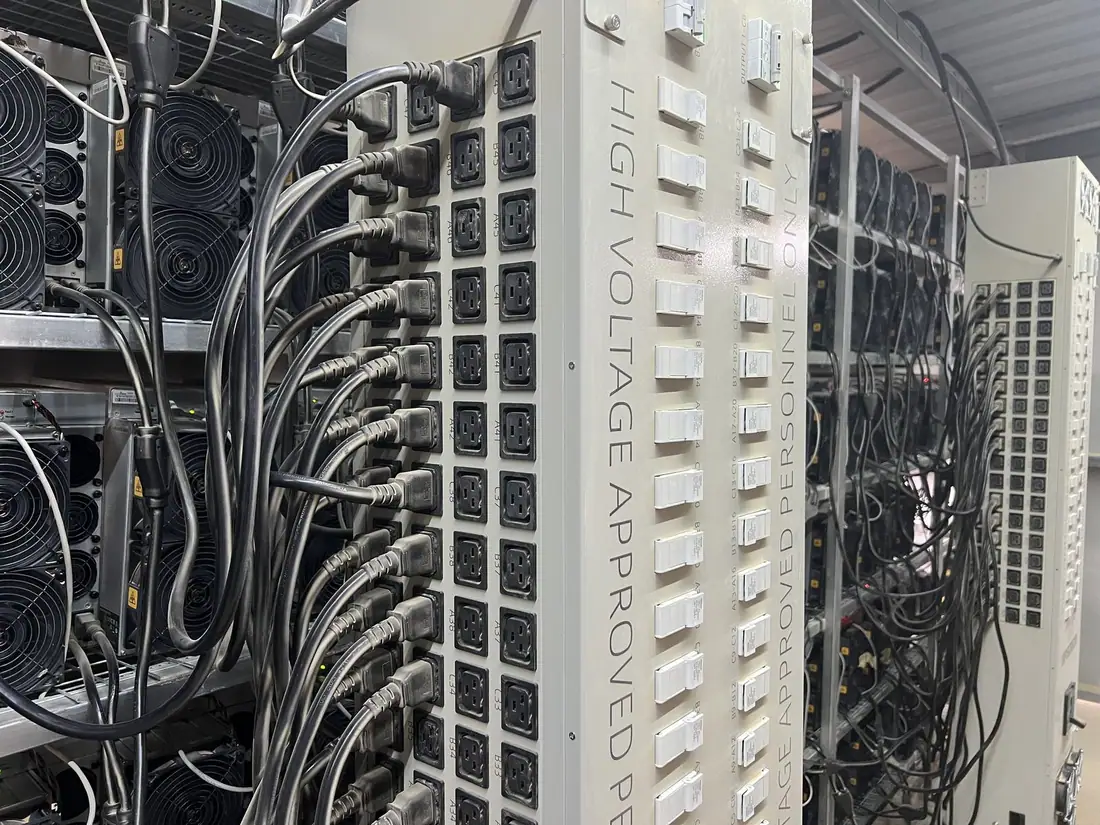
Start with the source and the load
- Utility point of connection, available voltage, capacity, service date, and utility responsibilities
- Major loads, redundancy arrangement, distribution voltage, and equipment list
- Transformer, switchgear, PDU, generator, UPS, and control-system locations
Coordinate the physical footprint
- Equipment pads, working clearances, ventilation, drainage, bollards, fencing, and fire access
- Truck and crane approach for heavy equipment
- Underground and overhead cable routes, bends, pull points, grounding, and crossings
- Inspection, testing, energization, and temporary-power sequence
Do not release isolated drawings
Civil, structural, electrical, mechanical, utility, and equipment information should be checked together before foundations, roads, and underground work make a conflict expensive to change.